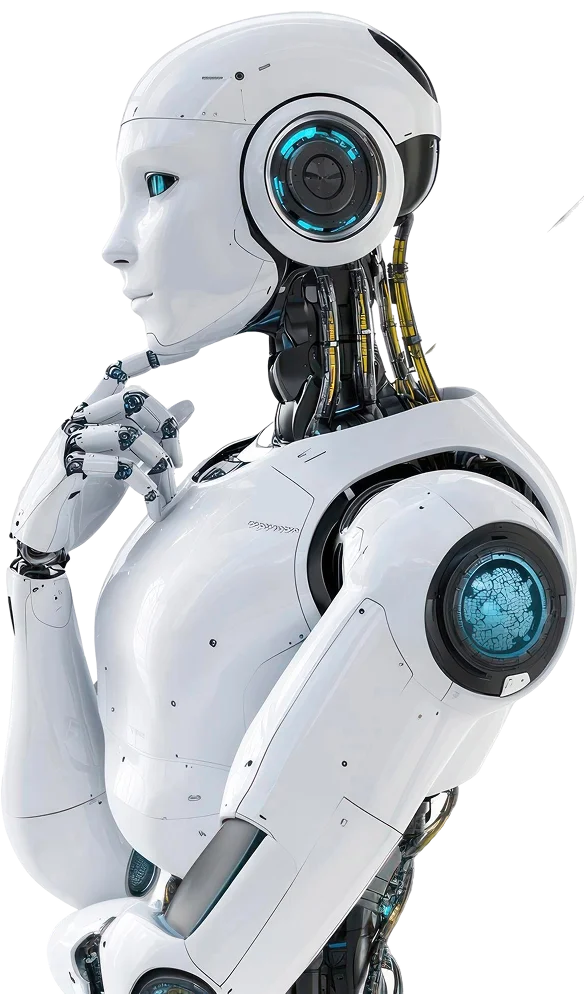
Artificial Intelligence is becoming a key driver of business growth
Artificial Intelligence (AI) has moved beyond the experimental stage to become one of the primary drivers of transformation in the business world. More and more companies are adopting AI-powered tools to optimize processes, enhance customer experience, and increase profitability.
According to a report by McKinsey & Company
more than 55% of companies globally already implement Artificial Intelligence in at least one business function, a figure that has grown significantly in recent years due to advances in language models, automation, and data analytics.
Source: McKinsey Global Survey on AI (2023–2024).
Automation and Operational Efficiency
One of the primary uses of Artificial Intelligence in businesses is the automation of repetitive tasks. AI-powered tools enable companies to respond to customer inquiries, categorize emails, analyze business data, and optimize marketing campaigns.
Technology companies such as Microsoft, Google, and Amazon have integrated Artificial Intelligence systems into their platforms to deliver solutions that help businesses of all sizes improve productivity.
For example, virtual assistants and chatbots powered by language models enable companies to serve customers 24/7, reducing operational costs and increasing response speed.
Data-Driven Marketing and Sales
Marketing is one of the areas that has benefited the most from Artificial Intelligence. AI-powered platforms enable the analysis of large volumes of data to predict consumer behavior and personalize commercial offers.
According to Salesforce, the use of AI in marketing can increase conversion rates by up to 30%, driven by advanced segmentation and campaign automation.
Additionally, content generation tools allow companies to create ads, social media posts, and emails more quickly, significantly reducing production times.
Artificial Intelligence in Decision-Making
Another growing application is the use of AI for predictive analytics and strategic decision-making. Algorithms capable of analyzing market trends help companies identify growth opportunities and anticipate risks.
Companies in sectors such as finance, logistics, and e-commerce use Artificial Intelligence models to optimize inventories, forecast demand fluctuations, and improve resource management.
A PwC study estimates that Artificial Intelligence could contribute up to $15.7 billion to the global economy by 2030, significantly boosting business productivity.
Analysis
The adoption of AI in companies is driven by three structural forces:
Reducing operational costs through automation.
Increased data analysis capabilities, beyond what humans can scale.
Business execution speed, a critical factor in digital markets.
The current phenomenon is not just technological: It is competitive. When a company automates sales, marketing, or customer service, its marginal costs decrease, allowing it to operate at a larger scale than traditional competitors.